
2025 Scientific Conference: Interviews with HCL Experts
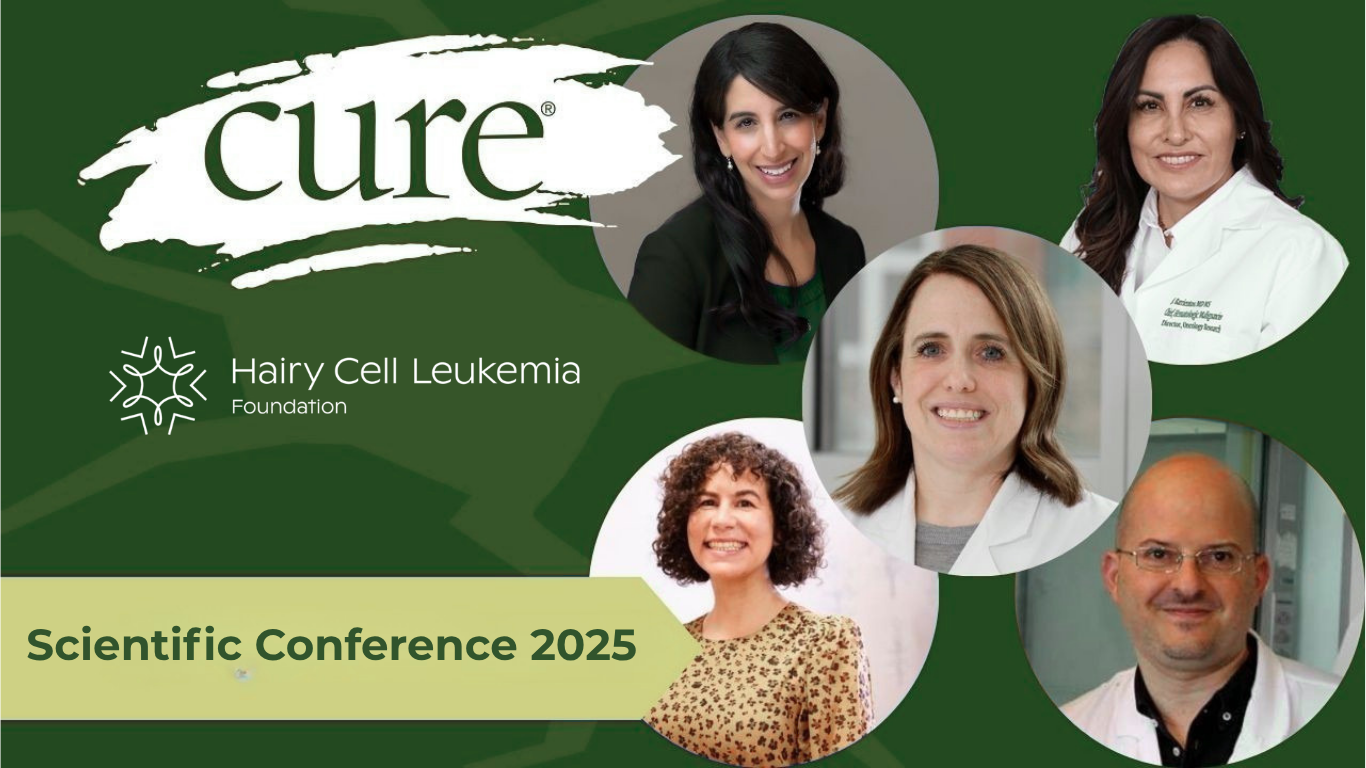
We invited CURE, a resource for patients with cancer, to attend the Hairy Cell Leukemia Foundation 2025 Scientific Conference.
At the conference, CURE spoke with our experts to highlight research, treatment, and patient-focused care for hairy cell leukemia (HCL) and HCL Variant (HCLv). You can view highlights and individual interviews below.
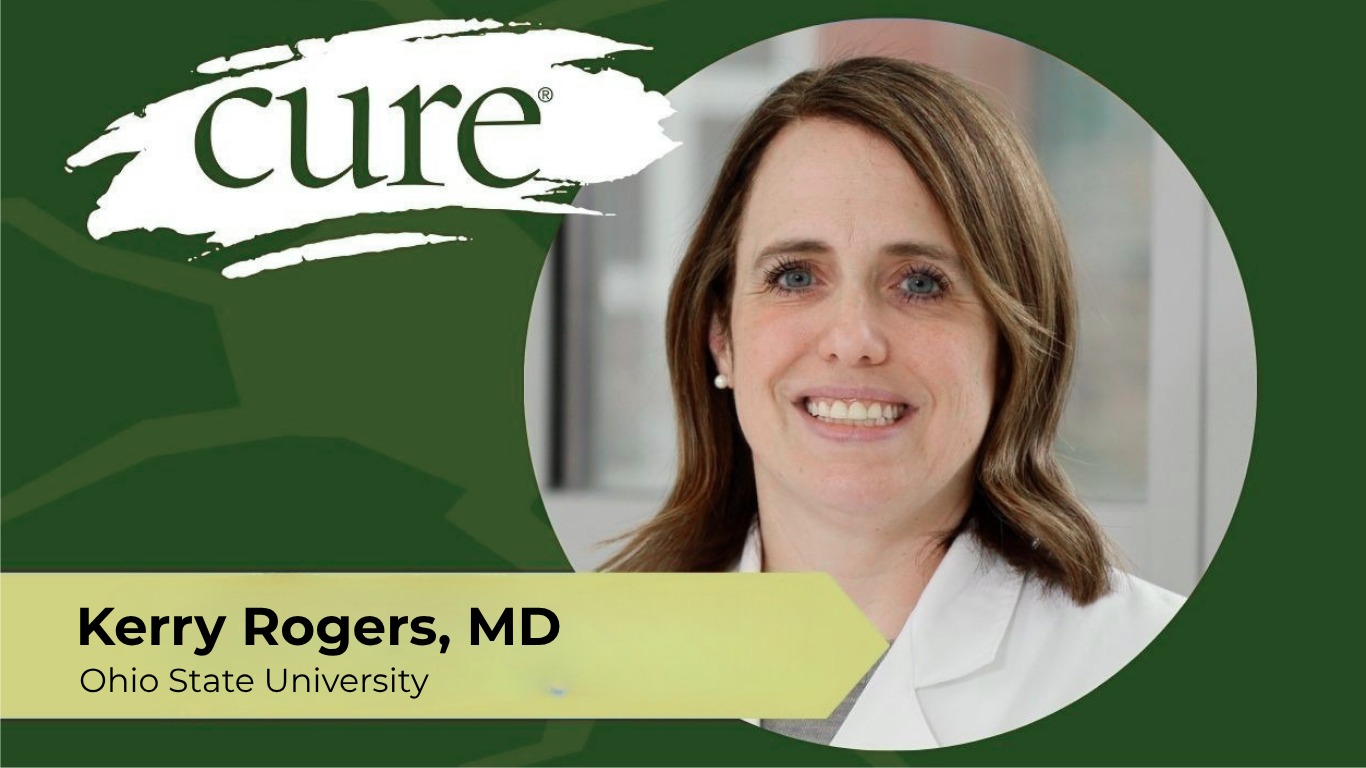
Advancing Research and Improving Patient Care in Hairy Cell Leukemia
Dr. Rogers speaks about how working together can help improve care for people with HCL. She points out that there are ongoing efforts to meet important patient needs, fill knowledge gaps like those about fertility, and keep treatment guidelines up to date with the latest advances.
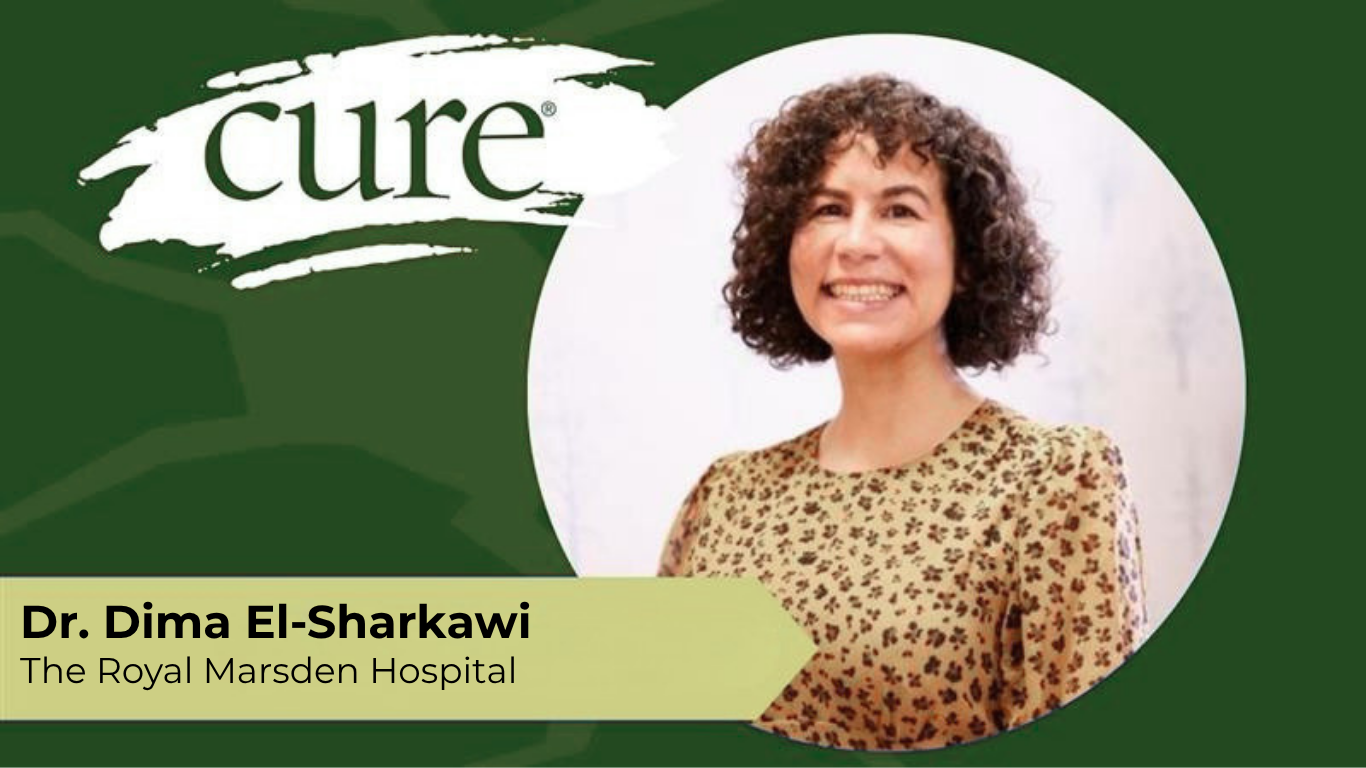
Presentation and Possible Complications in HCL
Dr. El-Sharkawi says that hairy cell leukemia can be difficult to detect early because patients often have mild symptoms and low blood counts are often discovered by chance during routine checkups. She also mentions rare and unusual cases, highlighting the need for doctors to remain alert to identify complications and treat them quickly.
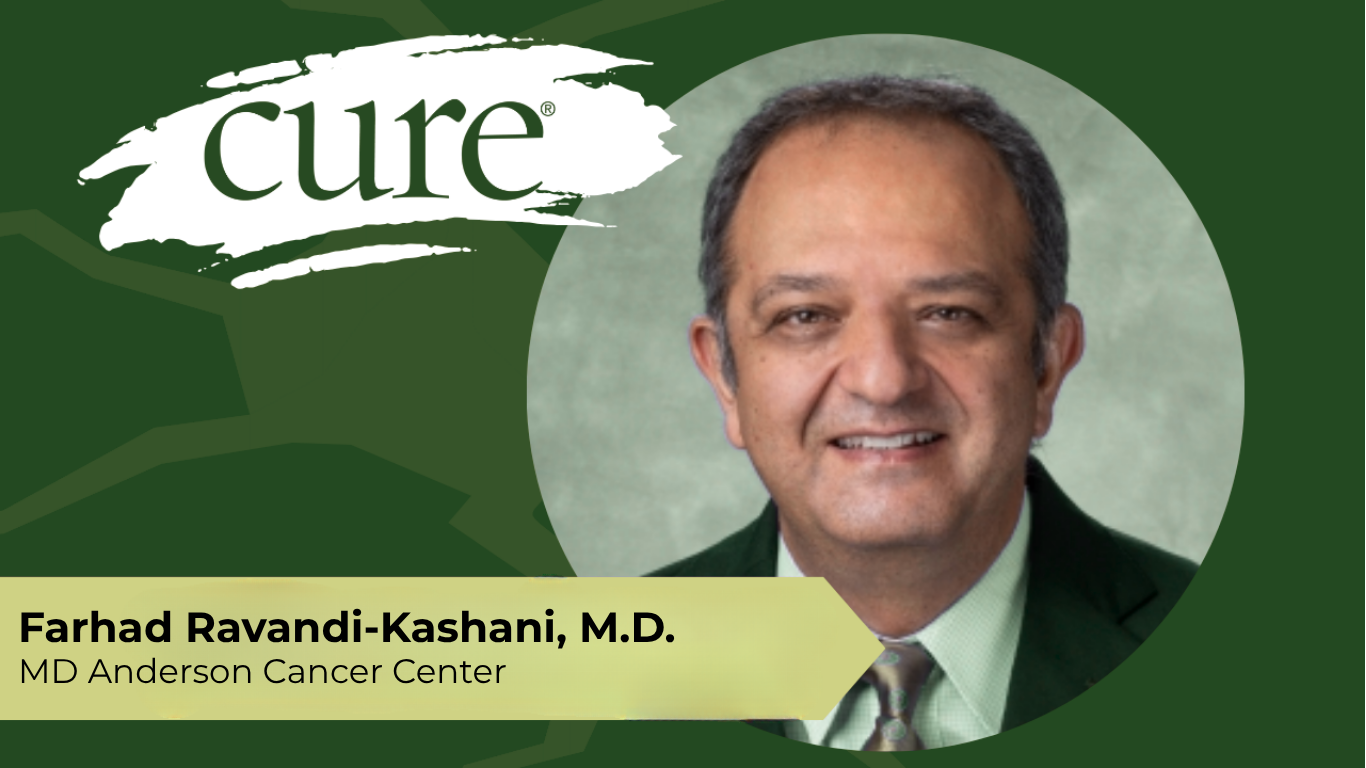
Rituximab Combinations Show Longer Remissions in Hairy Cell Leukemia
Dr. Ravandi explains that adding rituximab to standard chemotherapy or targeted therapies can help patients achieve longer-lasting remissions. He points to new evidence showing that starting with these combinations may give patients the best chance to manage the disease and improve their long-term outlook.
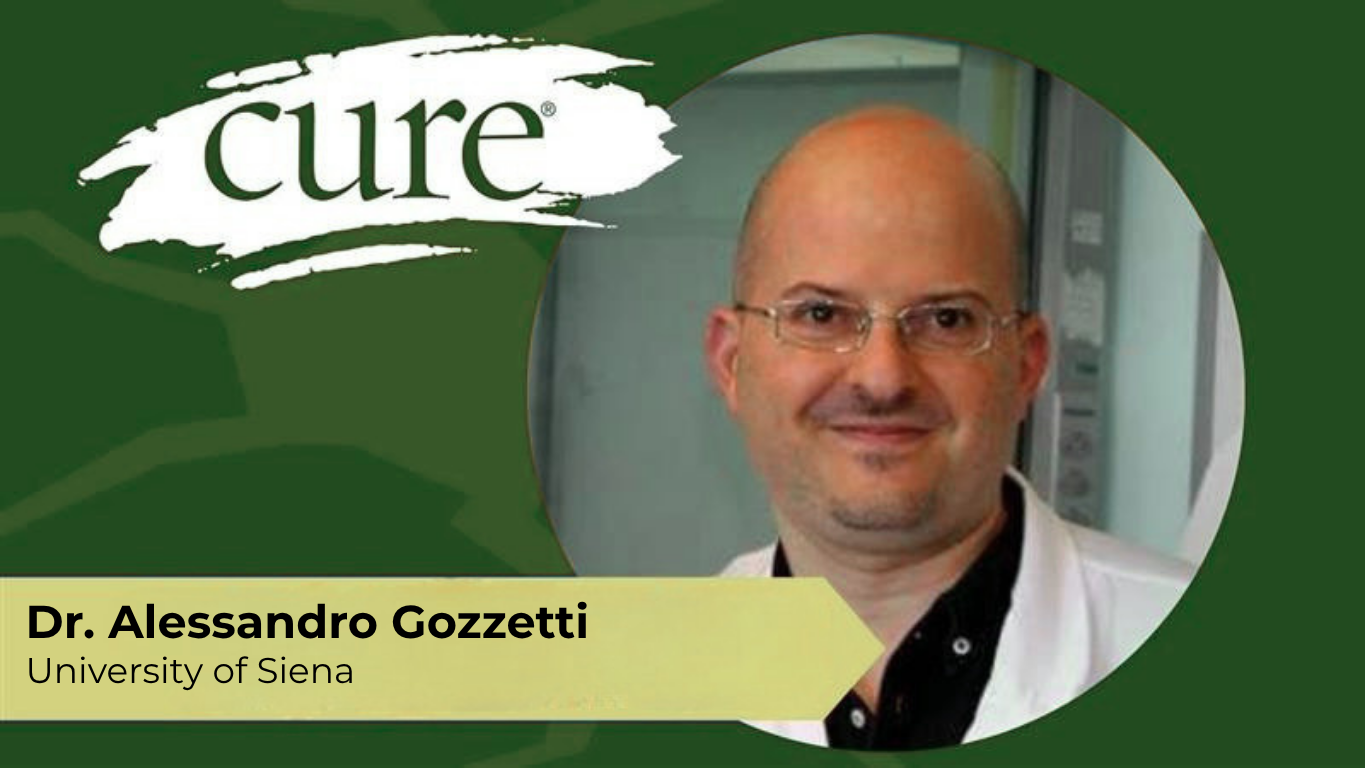
Insights on Fertility and Survivorship in Hairy Cell Leukemia
Dr. Gozzetti pointed out that fertility and reproductive health are important but often ignored parts of survivorship in HCL. He stressed the importance of collecting better data, especially through patient registries, to understand how treatments affect patients and help them get back to a normal life.